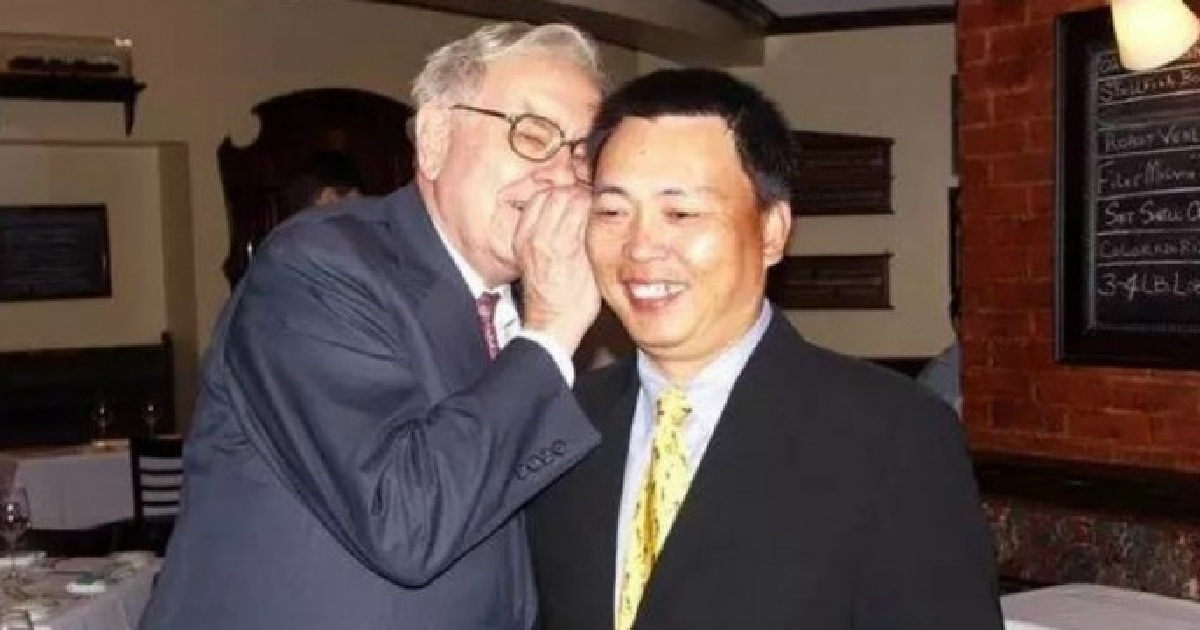
Warren Buffett's Berkshire Hathaway announced yesterday that it will invest $5 billion in Goldman Sachs through a private offering of preferred shares. The shares carry a 10% annual dividend, and Goldman retains the option to buy them back for $5 billion plus a one-time $500 million premium. Berkshire also walks away with warrants to purchase an additional $5 billion worth of Goldman common stock at $115 per share.
The day after the announcement, Goldman completed a separate public offering of 46.7 million common shares at $123 each, raising another $5.75 billion
The timing matters. Goldman Sachs had just, two days prior, converted itself into a bank holding company, a move that essentially ended its life as a pure investment bank. The firm needed capital, and it needed a signal to send to markets that it was going to be fine. It found both in the same place.
This is not a cold business relationship. Buffett first met Goldman senior partner Sidney Weinberg in 1940. He has worked with the firm for more than 50 years. When Goldman needed someone to call, they knew who to call.
One condition Buffett attached: Goldman's top executives had to pledge not to sell their own shares before he sold his. Goldman agreed to it.
Goldman's shares are trading around $125 today. The warrants Berkshire received let it buy at $115. That gap is already meaningful, and the deal has not even had time to breathe yet.
Update, March 2011
Goldman Sachs announced today it will buy back the Berkshire preferred shares two years ahead of schedule, after receiving Federal Reserve approval following a balance sheet review. That closes the book on this particular chapter. So let us actually look at what Buffett got out of it.
The preferred shares paid a 10% annual dividend on $5 billion. That is $500 million per year, just in dividends. Over roughly two and a half years, that adds up to somewhere around $1.25 billion in dividend income before the buyback even happens. Then Goldman pays the $500 million exit premium on top of the $5 billion principal. And the warrants, which let Berkshire buy Goldman stock at $115 per share, were eventually settled in 2013 for a profit of roughly $2 billion more.
Total return on a $5 billion investment made at the peak of a financial crisis: somewhere in the range of $3.7 billion in profit.
Here is what made this possible. In late September 2008, Goldman's stock had fallen roughly 40% from its highs. Lehman had just collapsed. The entire financial system was, by most serious accounts, days away from a complete seizure. Confidence was the scarcest commodity on the planet. Nobody wanted to buy anything, let alone shares in a Wall Street bank.
That is precisely when Buffett moved.
When everyone is selling, prices fall below what assets are actually worth. The gap between price and value is where returns come from. The wider the gap, the better the eventual return. In September 2008, that gap was enormous.
Buffett has a phrase for this: "be greedy when others are fearful". It sounds simple. In practice, writing a $5 billion check when the entire financial system might be days from collapse requires a particular kind of conviction that very few people actually have when the moment arrives.
The deal he structured also reflects something important. He did not just buy common stock and hope for the best. He negotiated preferred shares with a guaranteed 10% dividend, a buyback premium, and warrants on top. He walked in with leverage. Goldman needed the capital and, just as importantly, needed the signal that Buffett's name attached to the investment would send to markets. Buffett knew that, and he priced it accordingly.
The result is one of the cleanest illustrations of what timing actually looks like in practice. Not timing in the sense of predicting markets, but timing in the sense of being willing to act when everyone else is standing still, and having the structure of the deal reflect exactly how much risk you are actually taking on.